
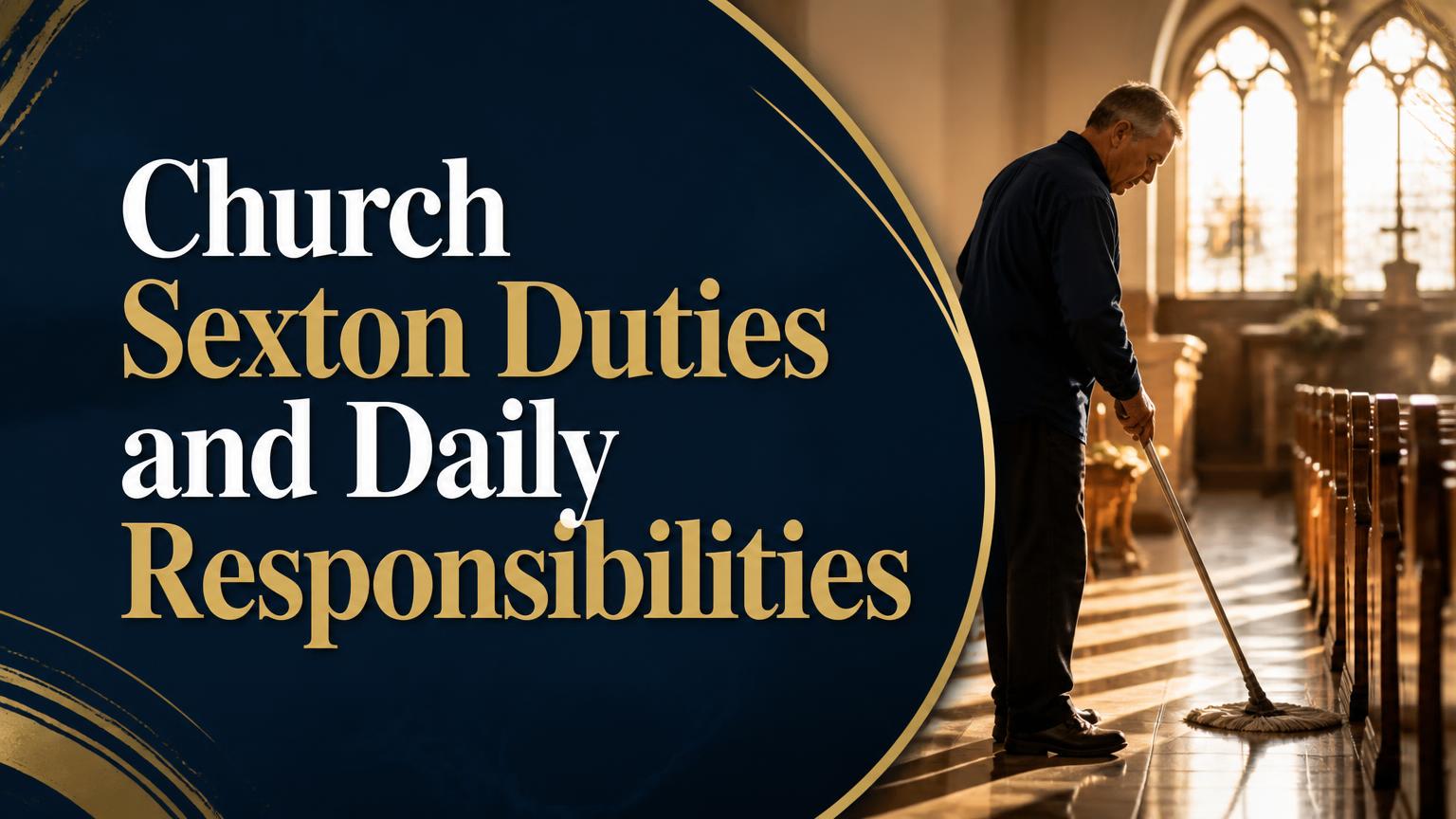
Church sexton duties center on caring for the church’s buildings, grounds, worship spaces, and—when applicable—cemetery. A sexton may prepare the sanctuary for services, open and secure the property, coordinate repairs, maintain outdoor areas, assist with funerals and weddings, and monitor safety conditions. The exact job varies by congregation: some sextons serve mainly as custodians, while others manage cemetery operations, event logistics, or broader property responsibilities.
What Are Church Sexton Duties?
A church sexton is generally the person responsible for keeping church property functional, orderly, clean, and ready for ministry activities. The role combines facilities care, practical service preparation, groundskeeping, security awareness, and communication with church leaders or outside contractors.
The sexton is not normally an ordained minister, although the position may involve close cooperation with pastors, priests, deacons, worship leaders, funeral directors, office staff, and volunteers. In smaller congregations, one person may perform duties that would be divided among a custodian, groundskeeper, event coordinator, and cemetery administrator in a larger church.
Maintain the Church Building and Grounds
Building maintenance is one of the most consistent parts of church sexton work. The sexton may inspect classrooms, offices, restrooms, kitchens, fellowship halls, storage areas, entrances, and worship spaces to identify cleaning needs, damage, or developing maintenance problems.
Typical responsibilities include:
- Sweeping, mopping, vacuuming, and dusting
- Cleaning restrooms and replenishing supplies
- Removing trash and recycling
- Checking doors, windows, lights, and faucets
- Setting thermostats and monitoring heating or cooling
- Replacing ordinary light bulbs when authorized
- Keeping entrances, walkways, and common areas presentable
- Maintaining lawns, gardens, trees, or other grounds
- Clearing leaves, snow, ice, or storm debris where applicable
A sexton does not necessarily perform every repair personally. A responsible sexton distinguishes between routine upkeep and work requiring a licensed electrician, plumber, arborist, elevator technician, or other qualified professional. The duty is often to notice the problem, make the area safe, report it, and coordinate the next step.
Prepare Worship Services and Church Events
The sexton often prepares physical spaces for Sunday worship, weekday services, Bible studies, meetings, classes, concerts, receptions, and community programs. This can include unlocking the building, turning on lights, adjusting room temperatures, arranging chairs and tables, and ensuring that worship areas are clean and accessible.
Depending on the church’s practices, the sexton may help position lecterns, microphones, communion tables, baptismal equipment, hymnals, service materials, collection plates, candles, or seasonal decorations. These tasks require attention to the congregation’s traditions and communication with the clergy or worship coordinator. The sexton should not make theological or liturgical decisions independently, but should carry out approved arrangements accurately.
After an event, the sexton may reset the room, clean food-preparation areas, remove decorations, secure equipment, and lock the building. Churches that rent their facilities may also rely on the sexton to confirm that outside groups follow agreed procedures and leave the property in acceptable condition.
Care for Cemeteries and Burial Spaces
Where a church owns or manages a cemetery, cemetery care may be a major part of the sexton’s responsibilities. The work can include mowing grass, trimming vegetation, clearing debris, maintaining paths, monitoring drainage, and keeping burial areas respectful and accessible.
A cemetery sexton may also help locate grave spaces, maintain plot maps or records, mark locations for burials, and coordinate with funeral homes, monument companies, and burial crews. Some sextons assist with opening and closing graves; others supervise contractors who perform that work. Legal, safety, and denominational requirements may determine which arrangement applies.
Cemetery responsibilities require particular care because they involve families, property rights, memorials, and sensitive records. A sexton should not move markers, alter burial spaces, or approve interments without proper authorization. When questions concern ownership, genealogy, legal rights, or disputed graves, the matter should be referred to the church’s designated administrator or governing body.
Support Funerals, Weddings, and Special Services
Funerals and weddings require careful coordination because the building must be ready at a specific time and the event often carries significant emotional importance. Sexton duties may include opening the church, preparing rooms, arranging chairs, checking restrooms, managing building access, and coordinating practical details with the family, clergy, musicians, funeral director, or wedding coordinator.
For a funeral, the sexton may help prepare the sanctuary, fellowship space, reception area, or cemetery. For a wedding, responsibilities may include arranging furniture, protecting floors, monitoring decorations, and ensuring that vendors know where to load and unload. The sexton’s role is usually logistical rather than pastoral: the sexton supports the setting and schedule without taking over responsibilities belonging to clergy or family members.
Clear communication is especially important for special services. A written schedule can prevent confusion about arrival times, keys, parking, room access, heating or cooling, cleanup, and final building security.
Monitor Safety, Security, and Accessibility
A sexton is often one of the first people to notice unsafe conditions on church property. Regular observation may reveal wet floors, loose handrails, blocked exits, damaged steps, inadequate lighting, exposed wiring, malfunctioning locks, or obstacles that could prevent safe access.
The sexton may be responsible for:
- Checking that emergency exits remain unobstructed
- Reporting leaks, electrical problems, or structural damage
- Securing doors and windows after use
- Monitoring keys, access codes, or alarm procedures
- Keeping walkways clear
- Reporting hazards promptly to church leadership
- Supporting accessible entry and movement through the building
- Following procedures for cleaning chemicals, tools, and equipment
The sexton is not automatically responsible for designing the church’s emergency plan or making legal compliance determinations. Those responsibilities may belong to the church council, property committee, insurer, or qualified safety professional. The sexton’s practical role is to follow established procedures, identify risks, and escalate problems before they cause injury or property damage.
Coordinate Supplies, Contractors, and Routine Records
Many sextons manage the practical details that keep the property operating. They may track cleaning products, paper goods, light bulbs, tools, furnace filters, restroom supplies, and seasonal materials. A simple inventory system helps prevent shortages before major services or events.
The sexton may also meet contractors, provide access to service areas, describe recurring problems, and confirm whether work has been completed. Depending on the church’s authority structure, the sexton may request estimates or schedule ordinary maintenance but may need approval before committing church funds.
Routine records can include maintenance logs, key assignments, cemetery maps, burial information, inspection dates, incident reports, and lists of recurring tasks. Accurate records protect the church from relying entirely on personal memory and make it easier for church leaders to plan repairs and budgets.
A Sexton’s Daily, Weekly, and Seasonal Responsibilities
The work schedule depends on the church calendar, building size, weather, and frequency of events. A small congregation may need only a few hours of sexton work each week, while a church with a cemetery, school, daycare, or extensive event program may require regular daily coverage.
Daily Responsibilities
Daily tasks may include opening or securing the building, checking restrooms, removing trash, responding to spills or urgent maintenance issues, adjusting room temperatures, and preparing spaces for scheduled activities. On service days, the sexton may arrive early to inspect entrances, lights, seating, sound-related equipment, and worship areas.
The end-of-day routine may include turning off equipment, checking that windows and doors are closed, resetting rooms, activating alarms, and documenting problems that need follow-up. Not every church requires all of these tasks every day.
Weekly Responsibilities
Weekly work commonly includes deeper cleaning, lawn or grounds care, supply checks, room resets, maintenance inspections, and preparation for recurring programs. The sexton may review the church calendar to anticipate rehearsals, classes, meetings, worship services, and community events.
A weekly inspection can identify small problems before they become expensive ones. For example, a slow drain, minor roof leak, burned-out exterior light, or damaged carpet may be manageable when reported early but disruptive if ignored.
Seasonal Responsibilities
Seasonal duties may include preparing heating or cooling systems, clearing leaves, managing snow and ice, cleaning gutters, winterizing outdoor plumbing, inspecting roofs after storms, and preparing the grounds for spring growth. Churches with cemeteries may also face periods when mowing, drainage, or storm cleanup requires additional attention.
Seasonal decorations and major religious observances can create extra work. Christmas, Easter, Holy Week, weddings, funerals, festivals, and community events may require unusual schedules, additional setup, or more intensive cleanup. A written annual calendar helps the sexton and church leadership plan labor, supplies, and contractor support.
How Sexton Duties Differ From Related Church Roles
A sexton’s work overlaps with several church positions, but the roles are not identical. A custodian usually focuses on cleaning and basic facility upkeep. A groundskeeper concentrates on lawns, landscaping, trees, and outdoor property. A verger in some Anglican and Episcopal settings helps coordinate the practical and ceremonial preparation of worship. A sacristan generally oversees items and preparations connected specifically with the sanctuary and liturgy.
A sexton may perform some or all of these functions, especially in a small church, but the job title alone does not establish the full scope of authority. The church should define whether the sexton handles cemetery records, purchasing, event scheduling, contractor supervision, snow removal, security systems, or only routine cleaning.
The sexton also does not replace clergy, church administrators, trustees, or a property committee. Pastoral care, financial authorization, theological decisions, personnel management, and legal decisions normally remain with other leaders. Clear boundaries protect both the sexton and the congregation from confusion, unauthorized commitments, or unrealistic expectations.
Skills and Qualifications for a Church Sexton
A strong sexton needs practical reliability more than a particular academic credential. Useful qualifications often include experience with cleaning, maintenance, landscaping, equipment operation, event setup, or property management. Knowledge of basic safety procedures, tool use, building systems, and recordkeeping is valuable.
Reliability and Attention to Detail
Church services and funerals operate on fixed schedules, so punctuality and dependability matter. A sexton must notice details that others may overlook: an icy walkway, missing restroom supplies, a door that no longer latches, or chairs arranged incorrectly for an event.
Communication and Judgment
The sexton regularly communicates with clergy, volunteers, vendors, families, renters, and church committees. Good judgment helps determine which issue can be handled immediately, which requires approval, and which requires a qualified professional. Respectful communication is particularly important when working around worship, grieving families, or private church activities.
Physical Capability and Safety Awareness
The job may involve standing, lifting, climbing approved ladders, pushing equipment, working outdoors, and responding to changing weather conditions. Churches should match duties to the worker’s capabilities and provide appropriate tools, training, protective equipment, and limits on hazardous work. A sexton should never be expected to perform specialized or dangerous repairs without proper qualifications.
How Churches Should Define the Role
A written sexton job description should identify the property included, regular hours, expected response to emergencies, cleaning standards, cemetery obligations, event responsibilities, purchasing authority, supervision, pay or volunteer arrangements, and procedures for reporting maintenance concerns.
The description should also distinguish essential duties from occasional assignments. For example, “maintain safe, clean, and service-ready facilities” is a core responsibility, while “assist with major outdoor events as scheduled” is an occasional duty. Churches should specify whether the sexton is expected to be on call and how urgent requests are handled outside normal hours.
Regular communication with the pastor, property committee, or designated supervisor prevents the role from expanding informally without additional time, compensation, equipment, or support. A checklist for opening, closing, weekly inspection, event setup, and cemetery work can improve consistency while leaving room for reasonable judgment.
Conclusion
Church sexton duties generally combine property care, worship and event preparation, grounds maintenance, security awareness, and practical coordination. In churches with cemeteries, the position may also include burial-space maintenance, grave location, records, and funeral support. The role is usually operational rather than pastoral, although the sexton’s work directly supports the congregation’s worship and ministry.
Because churches differ widely in size and organization, no single duty list applies everywhere. The most useful job description states exactly what the sexton maintains, what authority the sexton has, which tasks require contractors or church approval, and how urgent concerns are reported. Clear expectations allow the sexton to serve effectively while protecting the safety, dignity, and long-term condition of the church property.