
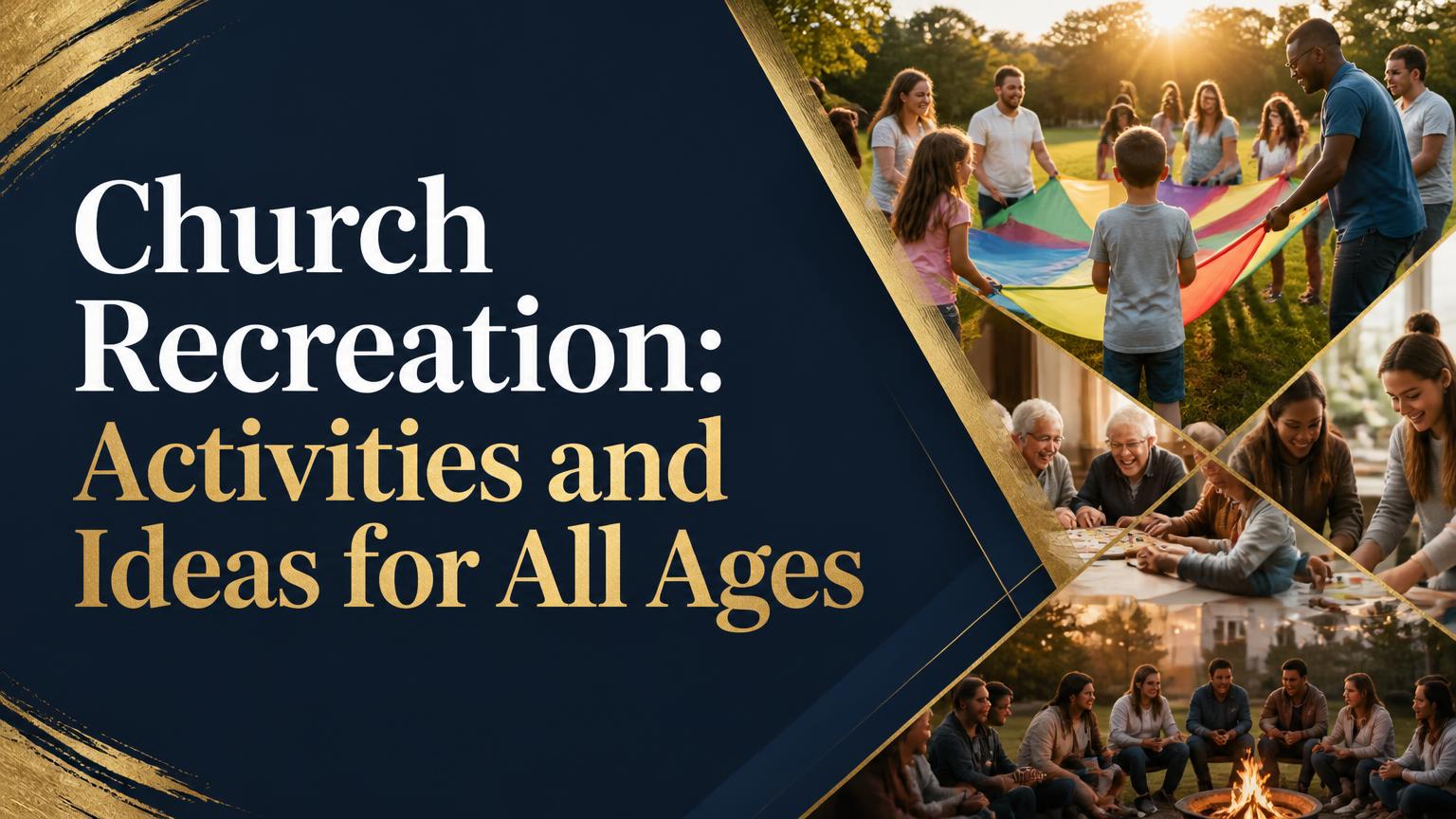
Church recreation gives people a structured way to enjoy fellowship, develop relationships, care for their bodies, and participate in the life of the congregation. Effective programs are more than occasional games or athletic leagues. They create welcoming opportunities for preschoolers, children, teenagers, adults, older adults, families, and people with different physical or social abilities. The best activities are enjoyable, purposeful, reasonably affordable, and designed so participation does not depend on athletic skill.
Church Recreation: Activities and Ideas for All Ages
Church recreation can include sports, games, outdoor events, creative activities, fitness programs, retreats, and intergenerational gatherings. Its purpose is not to replace worship, discipleship, or service, but to strengthen the relationships that support them. Acts 2:42–47 presents the early church as a community that learned, ate, prayed, shared, and spent time together. Recreation can express that same spirit of shared life in a contemporary setting.
What Church Recreation Should Accomplish
Healthy church recreation creates a setting where people can participate without feeling pressured to perform, compete, or socialize in a particular way. A basketball league may appeal to some members, while a craft night, walking group, board-game gathering, or family picnic may welcome others. Providing variety recognizes that recreation involves different interests, energy levels, ages, and abilities.
Recreation also gives newcomers a natural point of connection. A person may feel uncertain about entering a worship service or small group but feel comfortable joining a community meal, volleyball game, or children’s activity. In this sense, recreation can support hospitality and relationship-building. Romans 12:4–8 describes the church as one body with many members and different gifts; a varied recreation program reflects that principle by making room for different ways to contribute.
Activities for Preschoolers and Children
Children’s recreation should emphasize movement, imagination, cooperation, and simple rules rather than intense competition. Useful options include obstacle courses, scavenger hunts, parachute games, relay races, sidewalk chalk, water activities, playground events, story-based games, and arts-and-crafts stations. Short activities with frequent changes generally work better than one long organized game for younger children.
Churches can also organize family field days, children’s cooking sessions, introductory sports clinics, puppet-making workshops, or nature walks. Activities should provide clear supervision and alternatives for children who are shy, have sensory sensitivities, or cannot participate in strenuous movement. A craft table, quiet corner, or noncompetitive version of a game can allow more children to belong without singling them out.
Recreation for Teens and Young Adults
Teenagers often respond well when they have meaningful choices and some ownership of the program. Possible activities include basketball or volleyball tournaments, flag football, bowling, escape-room-style puzzles, outdoor adventures, hiking, kayaking, game nights, talent showcases, photography walks, and creative workshops. Young adults may also enjoy pickleball, trivia nights, cooking competitions, camping trips, or social events organized around shared interests.
Adult leaders should avoid treating teenagers merely as recipients of entertainment. Inviting them to choose activities, create teams, manage music, referee games, prepare food, or welcome guests develops responsibility and trust. Competition can be enjoyable, but rules should prevent humiliation, exclusion, or an atmosphere in which the most athletic participants control the entire event.
Activities for Adults and Older Adults
Adult recreation does not need to be physically demanding to be meaningful. Churches can offer walking groups, low-impact exercise, gardening, dance lessons, card games, book-and-discussion gatherings, painting, quilting, cooking classes, fishing trips, and informal coffee socials. A congregation might also organize a community concert, a local museum visit, or a day trip that allows conversation as well as activity.
Older adults should not be placed in a separate category solely because of age, but programs should account for mobility, transportation, hearing, vision, balance, and fatigue. Seated exercise, accessible nature walks, adapted lawn games, and events scheduled during daylight hours can widen participation. When older adults help teach a skill, tell a story, host a game, or mentor younger participants, recreation becomes a two-way exchange rather than a program delivered to them.
Intergenerational Church Recreation Ideas
Intergenerational events allow children, teenagers, adults, and older adults to participate together. Strong examples include family field days, chili or soup cook-offs, picnic games, service-and-fellowship days, church campouts, Christmas craft fairs, community gardens, cultural food nights, talent shows, and neighborhood festivals. Table games and team challenges can mix ages so that no group remains isolated.
The activity should be designed around shared participation rather than age-specific achievement. A team scavenger hunt, for example, can include clues that require observation, local knowledge, creativity, and movement. A family service day may combine gardening, painting, food preparation, and conversation. Although service is not recreation in the narrow sense, a service project followed by a shared meal can connect recreation with the church’s outward mission.
Why Church Recreation Matters
Church recreation can strengthen belonging because repeated informal interaction helps people move from recognition to relationship. Members who see one another only during a service may know names and faces without developing trust. Playing a game, preparing food, walking together, or solving a problem creates ordinary experiences in which conversation happens naturally. Those relationships can make it easier for people to ask for help, welcome newcomers, and remain connected during difficult seasons.
Recreation also provides a practical expression of Christian care. Jesus welcomed children and treated people who were often overlooked as worthy of attention and dignity (Mark 10:13–16). A church that plans accessible, affordable activities communicates that people are valued beyond their usefulness, income, age, athletic ability, or public visibility. Physical activity has value, while Scripture also places it within a broader vision of disciplined and godly living (1 Timothy 4:8). The goal is balanced stewardship rather than competition for its own sake.
How to Plan Effective Church Recreation
Begin With a Clear Purpose
Before choosing an activity, decide what the event is meant to accomplish. A church may want to welcome the neighborhood, help members form friendships, provide healthy exercise, give families affordable entertainment, or connect different generations. One event can serve several purposes, but naming the primary goal helps determine the format, schedule, budget, and invitation strategy.
The intended audience also matters. A late-evening tournament may suit young adults but exclude families with small children or older members. A weekday morning walking group may work for retirees but not for people with full-time jobs. Reviewing attendance patterns, asking members for ideas, and observing who is absent can produce better decisions than copying another church’s program.
Design for Participation, Not Spectators
A recreation event becomes more inclusive when people can join at different levels. A volleyball gathering might offer open play, beginner instruction, and a seated social area rather than requiring everyone to compete. A game night can include quick card games, strategy games, cooperative puzzles, and activities for children. This structure gives people a way to participate even if they arrive alone or do not know the rules.
Avoid making the same small group responsible for every event. Shared leadership allows members with different skills to contribute as coaches, cooks, drivers, artists, hosts, planners, or equipment managers. It also reduces burnout and communicates that recreation belongs to the whole congregation rather than to one ministry department.
Plan for Accessibility and Safety
Church recreation requires the same care given to other programs involving children and vulnerable people. Churches should follow their safeguarding policies, maintain appropriate adult supervision, use approved transportation procedures, and obtain permissions when required. Leaders should inspect facilities, explain rules, prepare for weather changes, keep emergency contacts available, and consider first-aid needs. Activities involving water, heights, vehicles, or specialized equipment require additional planning.
Accessibility should be considered before the event is announced. Check entrances, restrooms, seating, lighting, sound levels, transportation, and activity surfaces. Ask participants what adaptations would help rather than assuming what they need. Clear instructions, visual schedules, allergy-aware food planning, and quiet alternatives can make a major difference for children and adults with disabilities or sensory needs.
Use Resources Wisely
A strong recreation program does not require expensive equipment or a large staff. Churches can begin with shared meals, walking groups, board games, talent nights, sports using public facilities, and seasonal outdoor events. Equipment can sometimes be borrowed from members or community partners, but responsibility for supervision and maintenance should remain clear.
Set a realistic budget that includes facility use, supplies, food, transportation, insurance considerations, and scholarships or fee assistance where applicable. If an activity consistently excludes people because of cost, the church should reconsider its format or provide a confidential way to reduce the financial barrier. Low-cost programming can be just as relational and enjoyable as a heavily funded event.
A Practical Church Recreation Calendar
A balanced annual calendar can combine regular activities with occasional larger events. For example, a church might offer a weekly walking or fitness group, a monthly game or craft night, a quarterly intergenerational gathering, and seasonal events such as a spring field day, summer picnic, autumn festival, or winter indoor family night. This rhythm gives members dependable opportunities to connect without overwhelming volunteers.
The calendar should also vary its time, location, intensity, and cost. Some events can take place at the church, while others use parks, trails, gyms, or community centers. Include activities for people who prefer conversation, creativity, exercise, competition, quiet participation, or outdoor experiences. Reviewing attendance and feedback after each event helps the church improve rather than assuming that a large crowd is the only measure of success.
Conclusion
Church recreation is most effective when it combines enjoyment with hospitality, relationship-building, healthy activity, and responsible care. The right program will not look identical in every congregation because communities differ in age, culture, facilities, budget, and interests. What matters is creating genuine opportunities for people to participate and belong. A church that offers varied activities—from children’s games and teen adventures to walking groups, creative gatherings, and intergenerational events—can strengthen fellowship without turning recreation into a performance or a substitute for worship. Thoughtful planning ensures that fun remains welcoming, safe, purposeful, and available to the whole church community.