
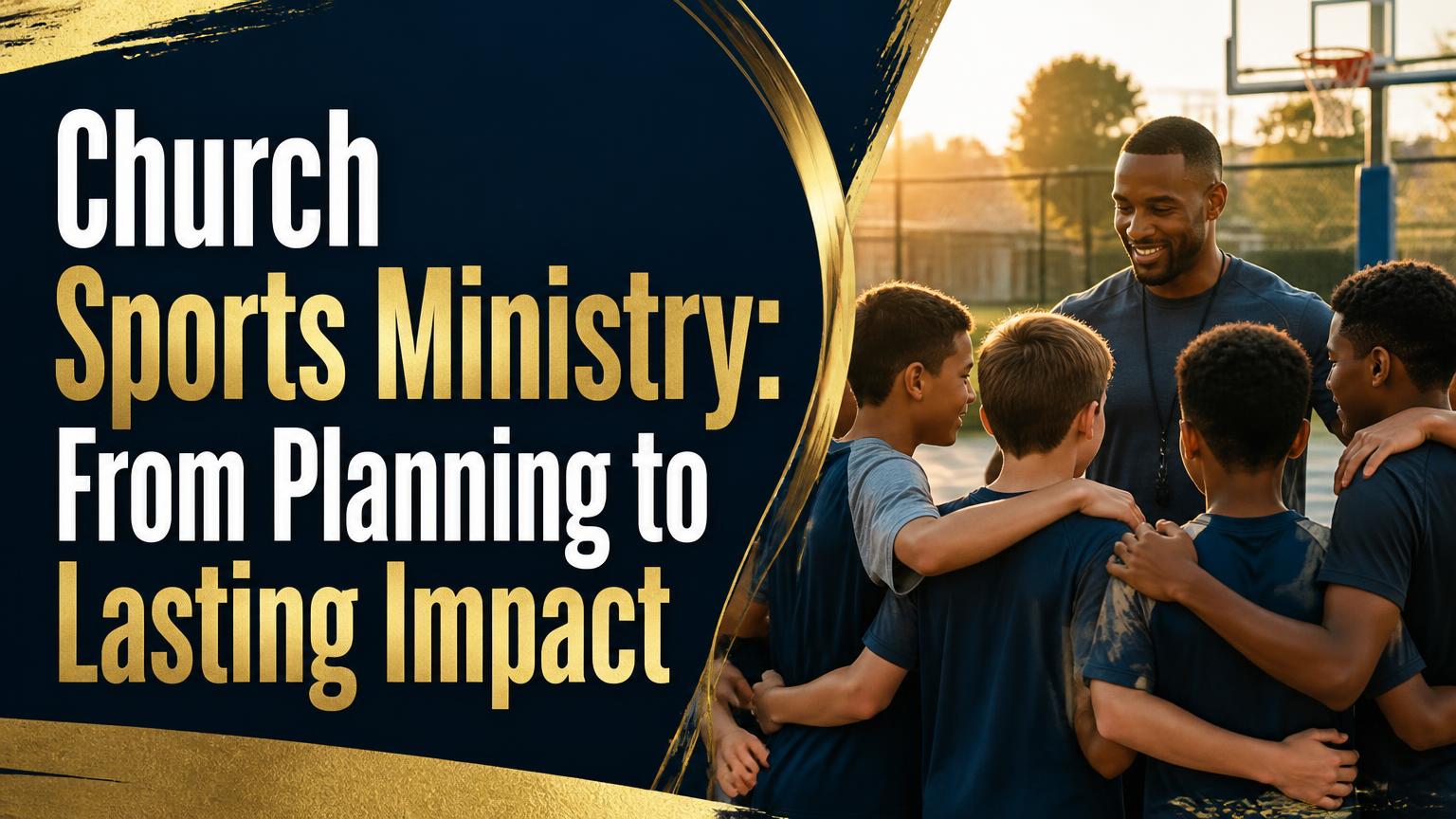
Church sports ministry uses athletics, recreation, and relationships to help a church serve its community and form people in Christian faith. It may include youth leagues, adult fitness groups, basketball or soccer programs, camps, after-school activities, coaching, and recreational events. The strongest ministries do more than attach a Bible verse to a tournament: they create safe environments where people experience welcome, develop character, build trustworthy relationships, and encounter the gospel through both words and consistent conduct. Effective ministry requires thoughtful planning, trained leaders, clear purpose, and a pathway from occasional participation to lasting discipleship.
Church Sports Ministry: Purpose, Practice, and Biblical Foundation
Church sports ministry is not simply a church-sponsored team. It is a form of relational outreach and discipleship that uses sport as the setting for service, community, mentoring, and spiritual formation. Its success should therefore be evaluated by more than attendance, wins, or facility use.
What Church Sports Ministry Is Designed to Accomplish
A healthy program usually serves several connected purposes:
- Create belonging: Participants find a welcoming community, especially children, teenagers, families, and adults who may not regularly attend church.
- Serve practical needs: Affordable recreation, positive adult role models, structured activities, and safe places to gather can benefit a neighborhood directly.
- Develop character: Sport provides repeated opportunities to practice perseverance, self-control, honesty, teamwork, humility, and respect.
- Build relationships: Coaches and volunteers gain regular contact with participants, allowing trust to develop naturally over time.
- Make disciples: Christian teaching, prayer, mentoring, and personal example connect athletic experiences with following Jesus.
These purposes must work together. A program that focuses only on evangelistic recruitment may appear to use participants rather than serve them. A program that focuses only on competition may lose its ministry identity. The church should offer genuine care whether a participant becomes a regular worshiper, remains on the team, or eventually moves to another community.
The Biblical Basis for Sports Ministry
The Bible does not present organized modern sports as a required ministry method, but it does provide principles that support using physical activity for service and discipleship. Paul uses athletic imagery in passages such as 1 Corinthians 9:24–27 and 2 Timothy 4:7 to describe discipline, perseverance, purpose, and faithful completion. These passages do not turn competition into a spiritual achievement; they show how familiar physical practices can illuminate truths about commitment to God.
The broader biblical foundation is relational and practical. Jesus welcomed children and vulnerable people, served others without seeking status, and formed disciples through shared life. Hebrews 13:2–3 calls believers to hospitality and solidarity with people in need. A church sports ministry applies these principles by welcoming people who may feel excluded, treating every participant with dignity, and using ordinary activities as opportunities for patient care and truthful Christian witness.
What Makes a Sports Program a Ministry
A recreational activity becomes ministry when the church intentionally connects participation with its calling to love God and neighbor. That connection is visible in the way leaders treat people, how conflicts are handled, whether ability determines a person’s value, and whether the program makes room for prayer, testimony, mentoring, or pastoral care.
This does not require turning every practice into a sermon. Faith can be expressed through a short devotional, team prayer, conversations after a difficult loss, service projects, and coaches who model repentance and forgiveness. Participants should understand the program’s Christian identity in advance, but leaders should avoid manipulation, favoritism, or pressure to make a profession of faith in order to receive playing time or acceptance.
Common Models and Participants
Church sports ministry can take many forms. A church might operate a children’s league, host open-gym nights, provide sports camps, organize a community running group, mentor student-athletes, offer adaptive recreation, or partner with a local school. Some programs are primarily outreach-oriented, while others focus on members’ discipleship or leadership development.
The right model depends on local needs, facilities, volunteer capacity, and the people the church is equipped to serve. A small congregation may begin with one weekly activity rather than attempting a full league. An urban church may prioritize accessible recreation and neighborhood partnerships, while a rural church may provide transportation and shared events for widely dispersed families.
How to Plan a Church Sports Ministry
Planning should begin with mission rather than equipment. The central question is not, “What sport can we offer?” but, “Whom is God calling us to serve, and what kind of program can we sustain with integrity?” A clear mission prevents the ministry from becoming an activity that depends on one enthusiastic volunteer or a temporary budget.
Identify the Community and Define the Mission
Study the people the church hopes to serve. Consider age groups, transportation, cost barriers, available facilities, existing recreation programs, cultural expectations, and unmet needs. Conversations with parents, schools, community leaders, and current church members can reveal whether a league, camp, mentoring program, or informal gathering is most appropriate.
Then write a short mission statement. For example: “We provide safe, affordable basketball experiences that help local teenagers grow in skill, character, and relationships with caring Christian adults.” A useful statement identifies the participants, the service offered, and the intended spiritual or relational outcome. It also gives leaders a standard for deciding what the ministry should and should not do.
Choose a Sustainable Format
Decide whether the ministry will be instructional, recreational, competitive, or a combination. Competitive programs can teach commitment and excellence, but they require careful safeguards against excessive pressure, exclusion, and parent conflict. Recreational programs may welcome more people but still need structure, capable coaching, and clear expectations.
Build a realistic operating plan that covers schedule, facilities, equipment, registration, fees, transportation, communication, weather procedures, first aid, insurance, and funding. Keep costs low enough to avoid unnecessary exclusion, but do not promise free services without a reliable financial plan. Scholarships, church funding, donations, and partnerships can help, provided financial assistance is handled discreetly and consistently.
Recruit and Train the Right Leaders
Coaches and volunteers shape the ministry more powerfully than its logo or curriculum. Recruit people who are emotionally mature, dependable, teachable, and able to work with the relevant age group. Athletic ability matters, but character, patience, and judgment matter more.
Training should cover coaching basics, child protection, appropriate communication, conflict management, inclusion, emergency procedures, concussion awareness, and the church’s theology and expectations. Use safeguards appropriate to the setting, such as screening, reference checks, two-adult practices, parental consent, clear transportation rules, and documented incident procedures. Requirements vary by jurisdiction and organization, so the church should follow applicable laws, governing-body standards, and insurance conditions.
Integrate Faith Without Manipulation
A ministry should communicate its Christian identity clearly before participants join. Families need to know whether practices include prayer, whether attendance at worship is expected, and how leaders will discuss faith. Clarity builds trust; hidden expectations damage it.
Spiritual formation works best when it is connected to real experiences. A coach might discuss truthful officiating after a disputed call, forgiveness after an argument, or perseverance after repeated failure. Short, age-appropriate teaching can complement these conversations. Leaders should invite questions and respect family circumstances while maintaining the program’s stated Christian commitments.
Turning Participation Into Lasting Impact
A one-day sports event may create goodwill, but lasting impact usually comes from repeated contact and intentional follow-up. Trust grows when the same adults show up consistently, remember names, keep promises, and care about participants beyond their performance.
Create a Relational Pathway
Design a progression from first contact to deeper community. A participant might first attend a camp, join a weekly team, connect with a coach or mentor, participate in a service activity, and later attend a youth group or church gathering. This pathway should be invitational rather than coercive.
Follow-up can include parent communication, seasonal celebrations, pastoral availability, small-group conversations, and opportunities for older participants to serve younger ones. Teenagers who learn to coach, referee, or mentor can move from recipients of ministry to responsible leaders. That transition reinforces ownership and extends the program’s reach.
Measure More Than Attendance and Wins
Attendance and registration numbers are useful operational measures, but they cannot show the whole ministry outcome. Track retention, scholarship use, volunteer consistency, participant safety, parent feedback, new relationships, leadership development, and involvement in follow-up activities. Also ask whether the program is reaching the intended population or mainly serving people already connected to the church.
Qualitative evidence matters. A parent may describe a child gaining confidence, a teenager may identify a trusted adult, or a coach may report learning to handle conflict with patience. These stories do not replace responsible administration, but they reveal changes that a scoreboard cannot measure. Avoid claiming that the program caused spiritual transformation when the evidence only shows participation or positive relationships.
Build Partnerships and Practice Inclusion
Long-term effectiveness often depends on cooperation with schools, community centers, parks departments, other churches, and local organizations. Partnerships can provide facilities, referrals, equipment, specialized expertise, or access to families the congregation would not otherwise reach. Agreements should clarify responsibilities, finances, safeguarding, branding, and communication.
Inclusion requires more than welcoming words. Consider adaptive equipment, modified rules, transportation, language access, financial assistance, gender-sensitive facilities, and accommodations for participants with disabilities. A ministry should distinguish fair competition from unequal access. If only the fastest, wealthiest, or most experienced participants can belong, the program may reproduce the barriers it claims to address.
Common Challenges and Wise Responses
Church sports ministries often face tension between competition and discipleship. Winning can motivate practice and teamwork, but when success becomes the primary measure, weaker players may receive less attention and adults may excuse poor conduct. Leaders can establish playing-time, conduct, and communication policies before conflict occurs. Coaches should praise preparation, courage, cooperation, improvement, and service alongside athletic achievement.
Volunteer exhaustion is another common threat. A ministry dependent on one coach, one donor, or one organizer may collapse when that person leaves. Share responsibilities, document procedures, rotate leadership, and review the calendar regularly. Churches should also address misconduct promptly rather than protecting the reputation of a program. Safety, truthfulness, and the dignity of participants take priority over enrollment numbers or public image.
Conclusion
Church sports ministry is most effective when sport serves people rather than people serving the program. Its purpose is not merely to produce better athletes or increase church attendance, but to create trustworthy settings where participants can belong, grow in character, receive practical care, and encounter the Christian message through both teaching and conduct. Planning must therefore include mission, sustainable structure, trained leaders, safety, accessibility, and honest communication.
Lasting impact develops through consistency. A church that keeps showing up, forms genuine relationships, handles competition wisely, and offers clear opportunities for discipleship can turn practices and games into meaningful ministry. The strongest programs measure success by faithful service and changed relationships as well as participation, making athletics one practical setting in which the church lives out hospitality, mentoring, and love of neighbor.