
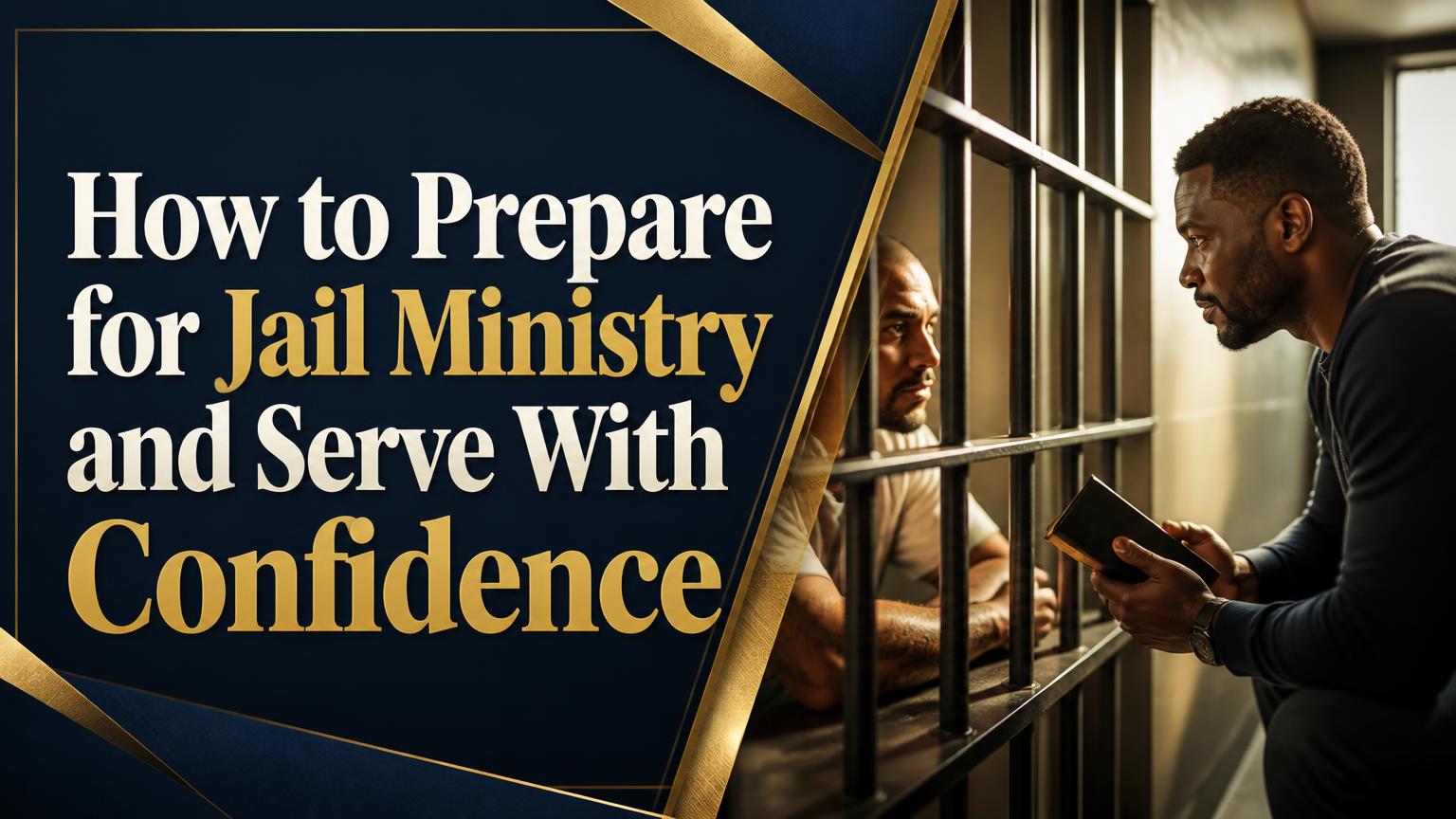
Jail ministry is Christian service carried out among people held in a county or municipal detention facility. Preparing well requires more than choosing a Bible study or gathering donated supplies. A volunteer must understand facility procedures, complete screening and training, develop emotional and spiritual maturity, respect the dignity of people in custody, and learn to serve without compromising safety or professional boundaries. Good preparation helps ministry remain compassionate, lawful, consistent, and centered on Christ rather than on the volunteer.
How to Prepare for Jail Ministry
Preparation begins before entering the facility. Jail environments differ from one another, and policies may change because of security concerns, staffing, health conditions, housing assignments, or facility emergencies. A volunteer should therefore work through the official chaplaincy or volunteer coordinator rather than assuming that procedures used in one jail apply elsewhere.
Learn Facility Rules and Complete Required Training
Contact the jail chaplain, religious-services coordinator, or volunteer administrator to learn the exact process for service. It may include an application, background check, interview, orientation, fingerprinting, confidentiality agreement, medical documentation, or formal approval by the sheriff’s office or corrections department. Do not begin independent ministry, distribute materials, or contact detainees until the facility has authorized it.
Study the rules governing identification, clothing, personal property, communication, transportation, searches, prohibited items, scheduling, emergency procedures, and interaction with staff. Training may also cover suicide awareness, contraband prevention, conflict de-escalation, sexual-abuse prevention, trauma, cultural competence, and mandatory reporting. These rules are not obstacles to ministry. They protect everyone and create the trust required for continued access.
Jails often hold people awaiting court, people serving shorter sentences, and people experiencing frequent housing changes. Population turnover can be high, so a ministry plan must remain useful even when attendance changes from week to week. Ask how cancellations, lockdowns, sick calls, and changes in classification affect visits, and always follow staff instructions immediately.
Prepare Spiritually and Emotionally
Christian preparation should include prayer, Scripture, self-examination, and a willingness to serve without controlling the outcome. Hebrews 13:3 calls believers to remember those in prison as though they were with them, while Matthew 25:36 connects attention to prisoners with practical mercy. These passages direct Christians toward identification, compassion, and faithful presence—not toward superiority or condemnation.
Examine your motives before you serve. A volunteer may unconsciously seek dramatic stories, emotional affirmation, authority, or a sense of rescue. Jail ministry requires a different posture: listening carefully, speaking truthfully, and allowing God to work over time. Pray for humility, discernment, patience, and love, but also accept that some visits may appear unproductive.
Emotional readiness matters as much as spiritual enthusiasm. You may encounter grief, addiction, anger, manipulation, mental illness, family separation, violence, or accounts of injustice. Compassion does not require absorbing every crisis personally. Maintain relationships with a pastor, chaplain, supervisor, or mature ministry team where you can process difficult experiences without disclosing unnecessary identifying details.
Understand the People You Will Serve
People in jail are not a single category. Some have been convicted; others are awaiting trial and legally presumed innocent. Some are first-time detainees, while others have experienced repeated incarceration. They may differ in age, education, ethnicity, language, religious background, mental-health status, and willingness to participate. Avoid assuming that a person’s charge, appearance, or manner tells you the whole story.
Treat each person as someone made in the image of God. That belief does not deny wrongdoing or remove accountability; it prevents the person from being reduced to an offense or case number. Galatians 6:1 instructs believers to restore others with gentleness while remaining watchful over themselves. In practice, this means offering grace without excusing harm and showing respect without ignoring legitimate safety concerns.
Listen before giving advice. A person may ask for prayer when the immediate need is grief, fear, family conflict, withdrawal, court anxiety, or confusion about available services. You do not need to solve every problem. If someone raises a legal, medical, psychological, or housing issue, refer the matter to the appropriate professional or approved resource instead of presenting yourself as an attorney, clinician, case manager, or investigator.
Plan a Simple, Flexible Ministry Session
A strong jail ministry session usually needs a clear purpose, a manageable length, and room for conversation. Depending on the facility, it might include a welcome, a short passage of Scripture, explanation of the text, discussion, prayer, and information about approved follow-up support. Keep the lesson understandable without making it shallow. Themes such as repentance, forgiveness, hope, wisdom, reconciliation, endurance, and life in Christ can be addressed through careful reading rather than motivational slogans.
Prepare more material than you expect to use, but do not try to fill every minute. Participants may be called away, the room may become unavailable, or staff may need to interrupt the meeting. A short lesson with one central idea is often more effective than a dense teaching outline. Use questions that invite reflection rather than forcing people to disclose personal or criminal details in front of others.
Bring only materials that the facility has approved. Some jails permit soft-cover Bibles, printed studies, or pencils; others restrict binding, paper, writing instruments, or donated items. Do not promise that a participant will receive a book, letter, visit, or personal assistance until you have confirmed that the facility allows it and that your ministry can provide it consistently.
Establish Boundaries and Confidentiality
Boundaries make compassionate ministry safer and more credible. Never give a participant your personal phone number, home address, social-media information, money, transportation, medication, or unauthorized possessions. Do not accept gifts, enter into business arrangements, become involved in romantic or emotionally dependent relationships, or make promises about court outcomes, release, employment, housing, or family intervention.
Explain confidentiality honestly. A volunteer should protect private information, but jail ministry is not automatically protected by professional privilege. Statements involving threats, abuse, self-harm, plans to escape, or other safety concerns may need to be reported under facility policy or applicable law. Do not promise, “I will never tell anyone.” Instead, explain that you will respect privacy while following safety and reporting requirements.
Use team-based accountability whenever possible. Meet through approved channels, follow visitation procedures, document required incidents factually, and tell the chaplain or supervisor about boundary concerns. If a participant attempts to isolate you, obtain special favors, pass messages, or involve you in prohibited activity, respond calmly and report the situation rather than handling it secretly.
Pack and Dress for the Setting
Wear modest, practical clothing that meets facility requirements. Avoid items that could be viewed as provocative, easily removed, used as restraints, or associated with gang colors or symbols if the facility restricts them. Leave jewelry, unnecessary electronics, bags, food, medications, and other personal items outside unless specifically approved.
Carry only the identification and materials permitted by the jail. Arrive early enough to pass through entry procedures without rushing, but do not expect staff to make exceptions for lateness. A calm, compliant manner communicates respect for the facility and reduces avoidable disruptions before ministry even begins.
How to Serve Effectively During a Jail Visit
The first responsibility inside the facility is to follow staff direction. Security procedures take priority over a meeting schedule, and a cancelled visit is not a personal rejection of the ministry. Never argue with officers in front of participants or criticize facility operations during a service. If a concern requires attention, raise it later through the proper supervisory channel.
Begin by creating a respectful atmosphere. Use the names or forms of address permitted by the facility, speak to participants rather than about them, and avoid jokes about crime, custody, violence, or incarceration. Do not demand public testimony. Some people will participate verbally; others may listen quietly because they are cautious, grieving, unfamiliar with Christianity, or uncomfortable speaking in a group.
Christian witness should be clear but never coercive. Present the gospel honestly, invite prayer or further conversation, and respect a person’s freedom not to participate. Avoid exploiting fear, promising immediate release, or suggesting that faith guarantees a favorable court result. Biblical hope includes reconciliation with God and transformation of life, but it does not remove earthly consequences or justify false promises.
Pay attention to signs of distress. If someone expresses an immediate intention to harm themselves or another person, reports abuse, or describes an urgent medical emergency, follow the facility’s reporting procedure immediately. Do not attempt to conduct crisis counseling beyond your training. Calmly acknowledge what was said, stay within the rules, and notify the appropriate staff or chaplain.
Common Mistakes to Avoid in Jail Ministry
One common mistake is treating jail ministry as a rescue project. Volunteers may feel pressure to meet every practical need, defend every participant, or become the person’s primary emotional support. That approach can create dependency and may place the volunteer, the participant, and the ministry at risk. Faithful service often looks ordinary: showing up consistently, teaching carefully, listening respectfully, and connecting people with approved sources of help.
Another mistake is confusing compassion with lowered standards. Respect does not mean ignoring manipulation, prohibited requests, harmful behavior, or dishonest claims. At the same time, caution should not become suspicion toward everyone. Use consistent boundaries with every participant, consult supervisors when uncertain, and respond to conduct rather than stereotypes.
Volunteers can also overemphasize speaking and underemphasize listening. People in custody may have had many individuals lecture them and few people hear them without contempt. Listening does not require agreement, and it should not become an investigation. Ask appropriate questions, reflect what you understand, correct misinformation gently, and direct specialized concerns to qualified professionals.
Finally, do not measure the ministry only by visible conversions, emotional responses, or attendance. Jail schedules change, people are transferred or released, and many spiritual decisions develop privately. Faithfulness includes preparation, integrity, patience, and willingness to serve within limits. The volunteer is responsible for obedience and good stewardship, not for manufacturing a particular response.
A Practical Preparation Checklist
Before your first visit, confirm that you can answer these questions:
- Who authorizes the ministry, and who is your direct supervisor?
- Have you completed every required screening, orientation, and training?
- What identification, clothing, Bible materials, and writing instruments are permitted?
- What topics or forms of contact are restricted?
- What is the procedure for reporting threats, abuse, self-harm, or medical emergencies?
- How should you respond if a participant requests money, legal help, personal contact, or special treatment?
- What happens if the visit is interrupted, cancelled, or moved to another housing unit?
- Who will support you after a difficult encounter?
- How will participants receive approved follow-up care after release or transfer?
Write down the answers through official channels rather than relying on assumptions or informal advice. Review the facility’s requirements before every visit, because permission and procedures can change. Preparation is complete only when you know both what to do and what you must not do.
Conclusion
To prepare for jail ministry, combine spiritual readiness with practical discipline. Receive authorization, learn the facility’s rules, complete training, plan simple Scripture-centered sessions, respect the dignity of people in custody, and establish firm boundaries around privacy, safety, money, and personal relationships. Serve with humility rather than a desire to control results. Christian ministry in a jail is most credible when compassion and truth remain together: people are treated as image-bearers, wrongdoing is not excused, professional limits are honored, and hope is offered without manipulation. Consistent, accountable service gives the gospel room to be heard and lived out over time.